


USB4 Explained
A Clear and Practical Knowledge Base
USB4® is the fifth major revision of the Universal Serial Bus (USB) standard. USB4 builds on the flexibility of USB‑C while dramatically improving speed, video support, and power delivery. This knowledge base explains USB4 in simple terms: what it is, how it works, and what you should expect when using it.
What Is USB4?
USB4 is a modern USB standard designed to carry data, video, and power simultaneously over a single USB-C cable. It introduces a new internal system called USB4 Fabric, which packages different types of signals and routes them efficiently, similar to how data moves through a network.
USB4 supports speeds of up to 80 Gbps and remains backward-compatible with older USB versions.
Key Goals of USB4:
USB4 at a Glance
| Feature | USB4 Capability |
|---|---|
| Maximum Speed | Up to 40 - 80 Gbps |
| Minimum Required Speed | 20 Gbps |
| Connector Type | USB-C only |
| Video Support | DisplayPort tunneling |
| Power Delivery | 240W Power Delivery (USB‑PD) |
| Backward Compatibility | USB 3.0/3.1/3.2, USB 2.0, USB 1.1 |
How Fast Is USB4?
USB4 currently supports three main speed levels to date:
| USB4 Mode | Maximum Speed | Cable Requirement |
|---|---|---|
| USB4 Gen 2×2 | 20 Gbps | Standard USB‑C cable |
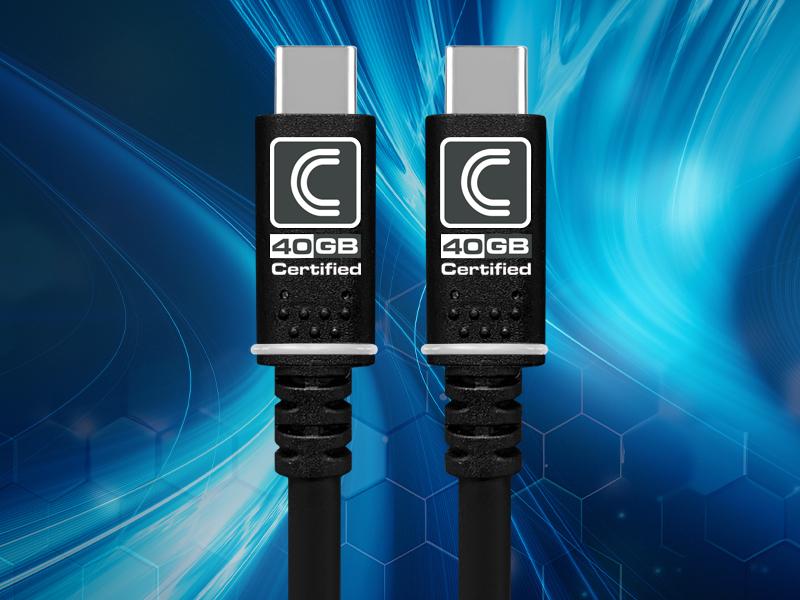
| USB4 Gen 3×2 | 40 Gbps | USB4 / Thunderbolt‑rated cable |
| USB4 v2 / USB 80 Gbps | 80 Gbps | USB4 / Thunderbolt‑rated cable |
To reach the full 80 Gbps, certified high‑quality cables are required. All USB4 devices must support at least 20 Gbps.
Why USB4 Has No Space in the Name
The official name is USB4, not “USB 4.” This was intentional. The USB standards organization wants USB4 to function as a long‑term platform name, with future improvements labeled using suffixes (such as 2×2 and 3×2) rather than entirely new names.
USB Evolution
| Original Name | Updated Name | Current Name | Max Speed | Connector |
|---|---|---|---|---|
| USB 3.0 | USB 3.1 Gen 1 | USB 3.2 Gen 1 | 5 Gbps | USB‑A / USB-C |
| USB 3.1 | USB 3.1 Gen 2 | USB 3.2 Gen 2 | 10 Gbps | USB‑A / USB-C |
| USB 3.2 | — | USB 3.2 Gen 2×2 | 20 Gbps | USB-C |
| — | — | USB4 Gen 2×2 | 20 Gbps | USB-C |
| — | — | USB4 Gen 3×2 | 40 Gbps | USB-C |
| — | — | USB4 v2 / USB 80 Gbps | 80 Gbps | USB-C |
USB Bandwidth Comparison
USB4 delivers a major leap in performance compared to previous USB standards, enabling higher data throughput, improved display support, and more efficient handling of multiple data streams.
USB4 — up to 80Gbps
USB 3.2 Gen 2x2 — up to 20Gbps
USB 3.2 Gen 2 — up to 10Gbps
USB 3.0 / 3.2 Gen 1 — up to 5Gbps
USB 2.0 — up to 480Mbps
Minimum Features of a USB4 Port
Not every USB4 device supports every optional feature, but certain capabilities are required.
USB4 Host Devices Must Support:
- USB4 at 40 Gbps
- USB 3.2 and USB 2.0
- DisplayPort 2.0 or 2.1
- USB4 tunneling
- USB Power Delivery (USB‑PD)
USB4 Hubs Must Support:
- USB4 at 40 Gbps
- USB 3.2 and USB 2.0
- PCIe 3.0
- DisplayPort 2.0 or 2.1
- USB‑PD
Cables and Power Delivery
USB-C Connectivity
USB4 requires USB-C connectors for all devices and cables.
High-Speed Performance
Achieving full 40Gbps or 80Gbps performance requires short, high-quality certified cables.
Up to 240W Power Delivery
USB4 supports up to 240W of power, enabling charging for laptops, displays, and accessories.
Cable Length Guidelines:
| Speed | Max Cable Length |
|---|---|
| 80 Gbps | ~0.4 m (1.6 ft) |
| 40 Gbps | ~0.8 m (2.6 ft) |
| 20 Gbps | ~2 m (6.5 ft) |
Longer cables may work but can reduce performance unless they are active or optical cables.
Is USB4 the Same as Thunderbolt?
No, but they are closely related.
USB4 is based on Thunderbolt 3 technology, but Thunderbolt remains a separate standard. Some USB4 devices may include Thunderbolt support, but this is optional and manufacturer‑dependent.
Display Support in USB4
USB4 supports DisplayPort 2.1 functionality, allowing high‑resolution and high‑refresh‑rate video. Actual performance depends on the device and cable used.
Backward Compatibility
USB4 is backwards compatible with previous USB versions such as:
- USB 3.0/3.1/3.2
- USB 2.0
- USB 1.1
Key Takeaways
- USB4 combines data, video, and power into one flexible standard
- Supports up to 80 Gbps speeds
- Uses USB‑C connectors exclusively
- Improves performance through packet‑based tunneling
- Maintains compatibility with older USB devices
USB4 simplifies connectivity while preparing systems for higher performance needs now and in the future.